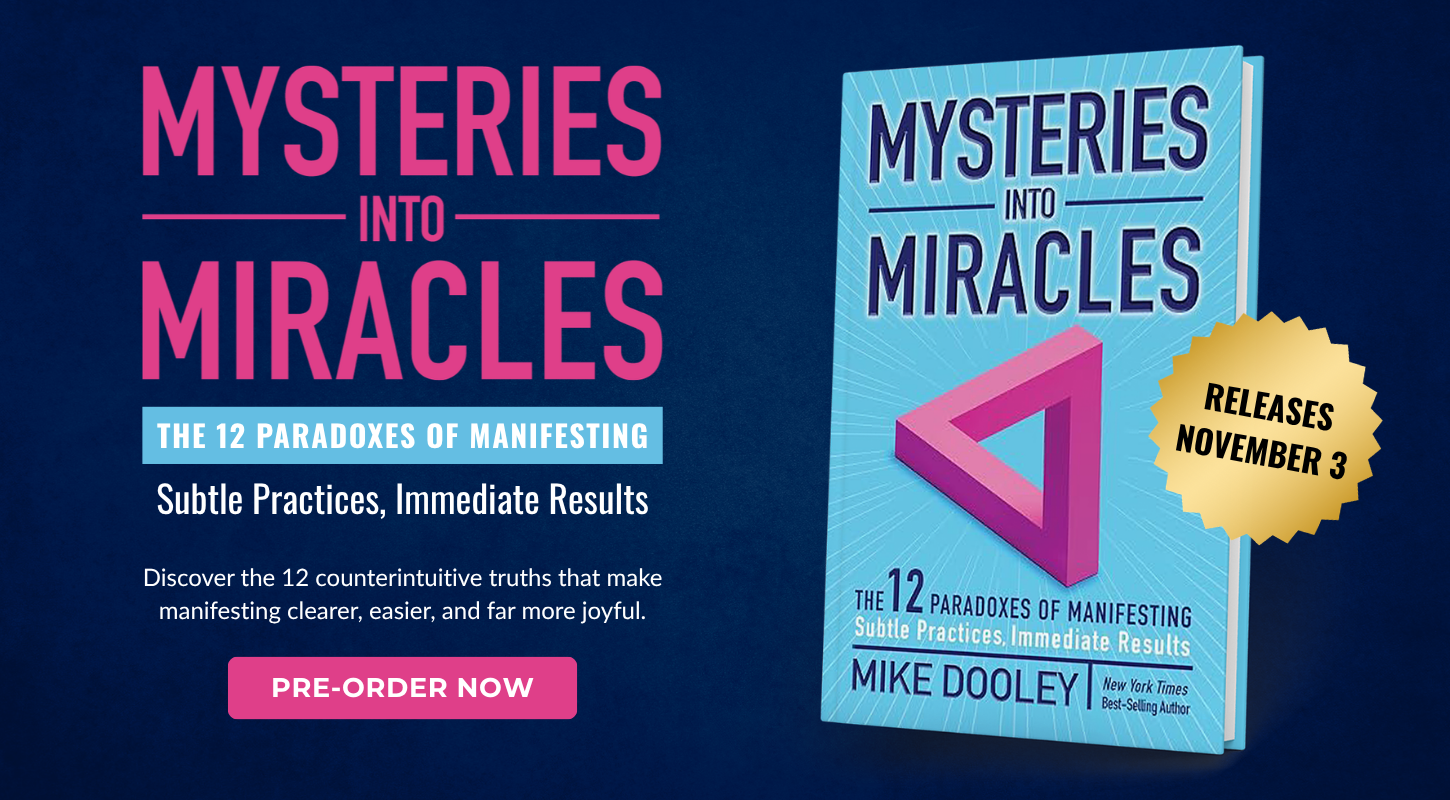

“Thoughts become things… choose the good ones.”
—Mike Dooley
When you read that, it sounds simple. Almost too simple. But it asks something deeper of us. It asks us to notice what is actually happening in our minds, not just what we hope is there.
Think about this morning. Before your phone, before your responsibilities, before the world reached you… What was your first thought? For most people, that thought is not chosen. It’s a continuation. A pattern. Something your mind returns to automatically because it has done so many times before.
And that first thought matters. It sets direction.
There was a time in my life when my thinking was structured around responsibility and control. I built a long career in healthcare leadership where anticipating, managing, and holding things together were essential. Those patterns made me effective and dependable. They served me well.
Until life changed.
A few years ago, I lost my husband of 34 years. At the same time, I faced my own health crisis. In a very short time, the life I knew no longer held the same meaning. What I had relied on internally did not translate into this new reality.
That’s when I began to see something clearly: My thoughts were not just reflecting my life. They were shaping how I experienced it.
When my thinking focused on loss, on what was gone, on everything uncertain, my entire day followed that direction. It became heavier and narrower. When I found even one small thread of gratitude or stability, something shifted. Not my circumstances, but my experience of them.
That awareness did not come easily. It required me to slow down and observe my thinking in a way I never had before. I realized that many of my thoughts were not conscious choices. They were patterns built over years of responsibility, experience, and expectation.
Like many of us, I had inherited ways of thinking from my environment and upbringing. They weren’t wrong, but they weren’t all still useful. And that’s when everything began to change.
When you notice a thought, instead of automatically believing it, create space. In that space, you can choose differently. That is where possibility begins.
There is never just one path in front of you. There are always multiple pathways. But you can only see them when your thinking allows for them. If your mind is organized around limitation, you will continue to see limitation. If it opens toward possibility, something new comes into view.
I’ve seen this not only in my own life, but through years of working with people from different backgrounds, cultures, and experiences. While we may look different on the surface, our core desires are the same. We all want to feel safe, to be valued, to know that our lives matter.
When we focus only on differences, our thinking narrows. When we recognize what we share, it expands. And that expansion changes how we move through the world.
Living in joy, I’ve learned, is not about waiting for life to become easy. It’s about how you meet the life you are in.
There were times when joy felt far away for me. It would have been easier to stay focused on what was difficult or uncertain. But I began to understand that joy is not something that arrives when everything is resolved. It is something you allow, even when life is not perfect.
That does not mean ignoring reality. It means choosing how you engage with it.
So, the question becomes simple: What are you consistently thinking about? Not occasionally. Not when things are going well. But what is running in the background of your life every day? Because that is what is shaping your experience.
If your thoughts are rooted in fear, lack, or disconnection, your world will reflect that. If they begin to shift toward awareness, gratitude, and possibility, your experience will begin to shift as well.
Not because the world suddenly changes.
Because your relationship to it does.
We often underestimate our thoughts because they feel private. But they are powerful. They influence what we notice, what we pursue, and what we believe is possible.
You don’t have to change everything at once. Start with one thought: Notice it. Question it. Choose it.
Because thoughts do become things. Not in some distant, abstract way, but in how they shape your perception, your actions, and your life.
And that choice is happening more often than you realize.